Most people do not ask for a frozen face. They ask to look like themselves on a good day, rested and a little lifted, with smoother skin that still moves naturally. The modern Botox aesthetic is about restraint and precision, not maximal doses. When used thoughtfully by a certified injector, Botox cosmetic treatment can soften the lines that read as stress or fatigue, preserve the facial expressions that make you recognizable, and buy time against deeper creasing. The artistry lives in the balance: what to treat, how much to use, and where to leave movement alone.
How Botox works, in plain terms
Botox is a purified neuromodulator that temporarily relaxes the small muscles that create expression lines. When you frown, squint, or raise your brows, those muscles fold the skin the same way a shirt creases across the same seam. Over time, the fold imprints. By relaxing specific muscles with botox injections, you reduce the repetitive folding, which lets the overlying skin smooth out. This is why botox for wrinkles on the upper face is so consistent for glabellar lines, forehead lines, and crow’s feet.
Results are not instant. The effect typically begins to show in 3 to 5 days and peaks around 10 to 14 days. For most people, botox results last 3 to 4 months in high-motion areas, sometimes up to 5 or 6 months with lower doses in lower-motion zones or after several botox sessions. Metabolism, muscle strength, and dose all play a role.
Many patients bring a friend’s botox before and after photo and ask for the same result. Photos help, but they are not recipes. Your anatomy, muscle recruitment patterns, brow shape, and skin thickness are unique. A measured botox consultation should start with watching you talk, smile, and frown, then mapping your habitual expressions. This guides dosing for a botox natural look rather than a template.
The map of the face: what Botox can do well
Botox excels in the upper third of the face. The glabellar complex, responsible for “11s” between the brows, often relaxes beautifully with a conservative pattern across five to seven points. A heavier frown line may need a stronger starting dose to prevent stubborn contraction. When placed properly, you get a softer resting face without the stern look.
Botox for forehead lines requires careful balance. The frontalis muscle lifts the brows, so over-relaxing it can drop them. I like to preserve lateral frontalis movement for people who already sit on the lower side of the brow spectrum. A light, well-spaced pattern creates a smooth forehead without the sheet-of-glass effect.
Crow’s feet respond predictably if you target the outer orbicularis oculi. A few precisely aligned points soften the crinkling at rest while keeping a genuine, warm smile. If a patient wants only a partial change, I will limit the points further and accept a small amount of dynamic creasing. That compromise reads as authentic.
Lower-face botox treatment is more specialized and benefits from experienced hands. A subtle botox lip flip can evert the upper lip slightly by relaxing the muscle that tucks it under. This is measured in millimeters, and overdosing here can interfere with whistling or sipping through a straw. For downturned mouth corners, a light touch to the depressor anguli oris can reduce a sour or tired expression, often combined with micro-doses along marionette lines.
Masseter reduction for facial slimming or nocturnal clenching has its own rhythm. Strong masseter muscles can create a square jawline. Botulinum toxin https://www.yelp.com/biz/medspa810-sudbury-4?adjust_creative=MFyzcjahxBMNAyHg85HGjg&utm_campaign=yelp_api_v3&utm_medium=api_v3_business_lookup&utm_source=MFyzcjahxBMNAyHg85HGjg placed along the bulk of the muscle can soften that angle over two to three botox sessions spaced several months apart. For some, the goal is aesthetic facial slimming; for others, it is relief from jaw tension or grinding. I explain that jawline contour with botox evolves slowly, unlike the quick changes seen in the upper face.
Neck bands, the vertical platysmal cords many people dislike in selfies, can be softened with platysmal band injections. This is not a substitute for skin laxity treatments or surgery, but it helps when the bands are muscular rather than purely skin-related. An experienced botox specialist will assess whether your concern is muscle, fat, skin laxity, or a combination.
What falls outside Botox’s lane
Lines at rest caused by volume loss, such as deep nasolabial folds, are often better treated with dermal fillers. The best outcomes come from pairing the right tool with the right problem. Botox relaxes motion. Fillers restore structure and support. A conservative botox and dermal fillers plan might relax the glabella and crow’s feet, then add subtle support at the midface to reduce shadowing. I like starting with the wrinkle relaxer for the upper face, reassessing the residual folds, then placing filler where structure is missing. Patients get a refreshed look that reads as sleep and good health rather than “had work done.”
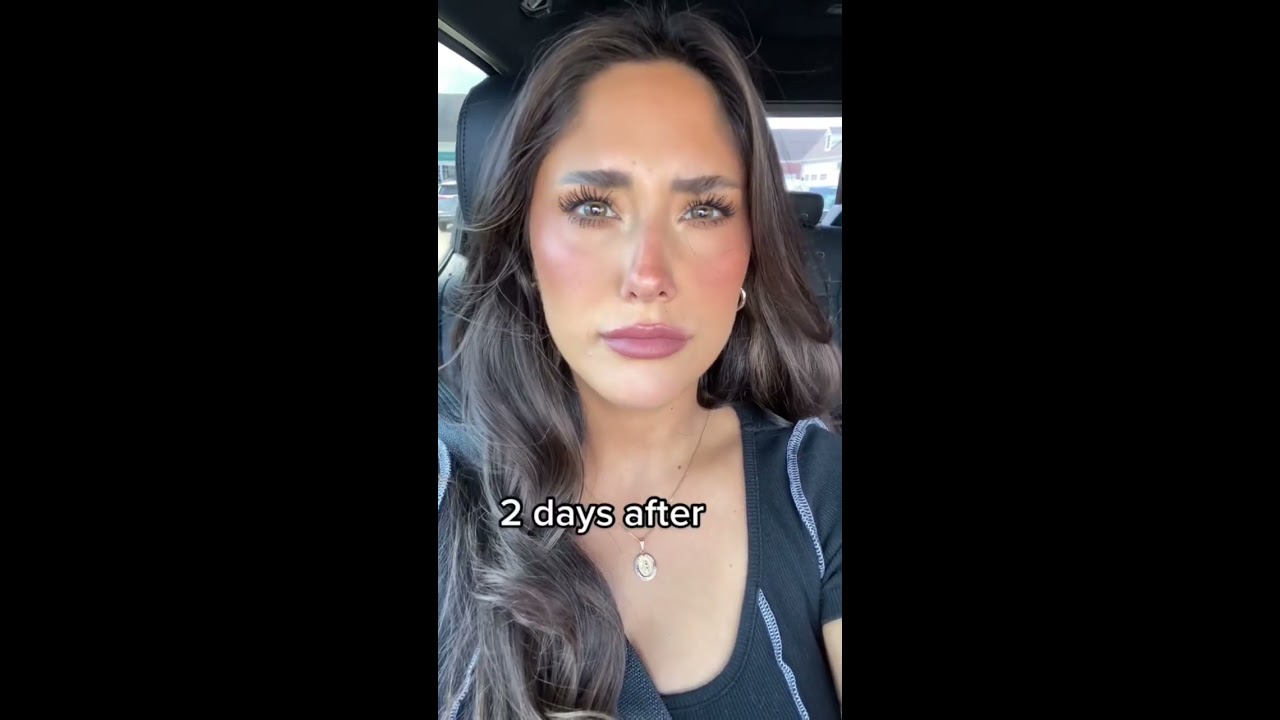
For skin quality issues like texture, pores, or pigmentation, other treatments carry the load. Chemical peels, microneedling, energy-based devices, and topical retinoids or antioxidants build the foundation for that botox glow. Expecting botox to tighten skin or replace collagen is a mismatch. What it can do is reduce the dynamic creasing that accelerates etching, which supports longer-term wrinkle prevention. Many patients call this prejuvenation, and it makes sense: start with light doses in your late twenties or early thirties if your lines stick around after expression. The right timing lowers the total dose you need over a decade.
Men, women, and movement patterns
Botox for men follows the same principles but with slightly different targets. Men often have thicker skin and stronger muscle bulk, so doses may trend higher to achieve a meaningful softening. The male brow is typically flatter and lower. A careful injector protects that shape. Too much lift at the outer brow can feminize a masculine brow line. The goal is not making a man look like he had botox, but like he has had a good month of sleep.
Botox for women spans many styles, from a barely-there refresh to a subtle botox brow lift for more light in the eyes. Some prefer a strong forehead freeze because they like makeup laying ultra-smooth. Others are teachers, parents, or performers who need their faces to telegraph emotion. Good planning respects those needs. The best botox aesthetic reflects your roles and personality as much as your anatomy.
Safety, side effects, and what a skilled injector anticipates
When performed by a certified injector in a medical setting, botox cosmetic procedures have a strong safety profile. Most adverse effects are mild and brief: pinpoint redness, bruising, or a dull ache at treated sites for a day or two. Tylenol usually suffices if anything is needed.
The side effects patients worry about most are brow or lid heaviness and asymmetry. These nearly always trace back to three issues: over-relaxing the frontalis, under-treating the glabella, or missing subtle muscle dominance on one side. A botox nurse injector or dermatologist with experience will map out your lift points and frown pull points to avoid this see-saw. On the rare occasion a lid ptosis occurs, it typically improves as the medication wears off. Prescription eye drops can reduce its impact in the interim.
Headaches can happen in the first week as the muscles settle. They usually pass within 48 hours. An allergic reaction is extraordinarily rare. If you are pregnant or breastfeeding, we defer treatment since safety is not established. If you have a neuromuscular disorder or take certain antibiotics, your botox doctor will discuss risks and may recommend against treatment.
Why training matters should be self-evident, but it deserves underlining. Precision injection demands a working knowledge of facial anatomy, muscle vectors, and dose-response behavior. A trusted provider in a botox clinic or botox medical spa should be transparent about their credentials. Ask how many botox sessions they perform weekly, what their approach is to corrections, and how they handle after-hours questions. Proficiency shows up in how questions are answered, not just in glossy photos.
What to expect from the appointment
A professional botox consultation covers your goals, history, and facial analysis. I photograph at rest and in motion to track botox before and after changes. Consistent lighting and expression matter for fair comparison. I will ask what bothered you in the mirror three years ago versus now. That timeline clues me into whether lines are static or driven by recent stress patterns, like squinting at screens or lifting your brows to compensate for heavy eyelids.
The botox procedure itself is brief. The skin is cleansed, and tiny needles place small aliquots of the medication at mapped points. Most patients describe a slight pinch and sting that fades quickly. You can return to normal life right after. This is the original lunchtime procedure for a reason. Plan for 10 to 20 minutes in the chair, depending on how many areas we treat.
Aftercare is light. I advise staying upright for 4 hours, avoiding vigorous exercise until the next day, skipping facials or pressure to the area for 24 hours, and using gentle skincare. Makeup is fine a few hours later if the skin looks calm. Bruising is uncommon but possible, especially near the crow’s feet where tiny veins run close to the surface.
When results appear, and how to maintain them
Expect a gradual onset over the first week, with full botox results by two weeks. This is why I schedule a follow-up around day 10 to 14 for first-timers. If a small adjustment is needed, a touch up can harmonize the result. Slight asymmetries are common because our faces are asymmetrical, not because something went wrong. Dosage tweaks solve most discrepancies.
Maintenance is personal. A standard botox maintenance plan repeats treatment every 3 to 4 months for the upper face. Masseter reduction often runs on a 4 to 6 month cycle initially, then can stretch to 6 to 9 months as the muscle atrophies slightly. The idea is to maintain a softening without starting from zero each time, which keeps doses modest and results predictable.
The cost varies by geography, provider experience, and whether you pay by unit or by area. In major cities, botox cost can range from 10 to 22 dollars per unit, with typical upper-face treatments using 30 to 60 units, depending on goals and muscle strength. Be wary of pricing that seems too good to be true. Training, sterile technique, and quality product are non-negotiables. Botox specials or seasonal botox deals from a reputable practice are fine, but they should not come with pressure or a one-size-fits-all approach.
The art of subtlety: getting a natural look
I keep a few guiding principles. First, never erase every line. Movement is youth. We smooth the resting creases and soften the motion lines that shout, but we leave enough activity to keep your expressions intact. Second, avoid chasing symmetry at the expense of character. Perfect symmetry is rare in nature and often reads as artificial. Third, dose conservatively at the brow. A small botox lifting effect is refreshing; an over-lift can arch the brows in a way that looks surprised.
An example: a 41-year-old executive with strong frontalis use and deep glabellar lines wanted a fully smooth forehead. She also disliked that her outer brows peaked a little. A weaker frontalis dose risked dropping the brows, which she would notice in meetings. We optimized her glabella with a firm dose to release downward pull, then used a feathered, low-dose forehead pattern that preserved lift. At two weeks, we added two micro-drops laterally to soften the peak without flattening her brows. She looked rested, not “injected.”
Another: a 34-year-old teacher with fine crow’s feet loved her smiling eyes but hated how makeup settled into the lines by midday. We kept the lateral orbicularis partially active with a lighter dose and added a skin program with a retinoid and daily sunscreen. The combination cut the creasing without dulling her warmth, and the botox glow came more from consistent skincare than from heavy toxin use.
When Botox helps beyond aesthetics
Medical indications often surprise people. Botox for migraines is an evidence-based protocol for chronic migraine, using higher total units across the scalp, temples, and neck at set intervals. It is a different pattern than cosmetic dosing and requires a clinician comfortable with the therapeutic protocol.
Botox for excessive sweating, particularly botox for hyperhidrosis in the underarms, palms, or soles, can be life-changing. The toxin blocks the nerve signals to sweat glands, reducing sweating for 4 to 6 months, sometimes longer. The procedure involves a grid of small injections, which can be tender on the palms but is manageable with numbing. For the right candidates, this shifts confidence in social and professional settings.
There are also niche applications like botox for gummy smile, botox for chin dimples, and selective dosing for a downturned mouth. In each case, the injector must balance function and aesthetics. Smiles, speech, and eating should never be compromised for an aesthetic tweak. If the risk of functional impact is non-trivial, I advise either a minimal-dose trial or a different solution.
Choosing the right provider and setting
Look for a botox certified injector with a track record you can verify. More important than titles are volume and outcomes. A seasoned botox dermatologist, facial plastic surgeon, or experienced botox nurse injector working under medical oversight will understand how to dose for your anatomy and how to correct if something is off. Ask to see botox aesthetic results for faces similar to yours in age, skin type, and muscle strength. If you are searching online, “botox near me” will yield a flood of options. Filter for training, honest counseling, and safety culture rather than discounts alone.
A professional service includes a measured consultation, procedural consent, sterile technique, known product sourcing, and aftercare guidance with access to your injector if questions arise. Good clinics document units, sites, and lot numbers. This helps if you change providers or want to replicate particularly successful placement.
Setting expectations: what Botox cannot fix alone
Botox is not a substitute for volume restoration, skin tightening, or lifting excess tissue. If the brow is heavy from skin redundancy, a surgical brow lift or energy-based skin tightening might serve you better. If etched upper lip lines persist at rest, microneedling, resurfacing, or a tiny filler might be needed in addition to a lip flip. If the lower face sags, toxin alone will not lift it. Honest counseling builds trust, and a staged plan across modalities often delivers the most natural enhancement.
Time horizons matter too. If you have a wedding or photo shoot, schedule treatment at least 3 to 4 weeks ahead, so your touch up window is available. If you have a big presentation the day after, move the appointment a week earlier. A small bruise can be covered with makeup, but planning reduces stress.
The rhythm of a long-term plan
A well-run botox maintenance plan adapts over time. The first year, I like to see patients every 3 to 4 months as we refine their map. We learn how quickly they metabolize, which spots need stronger doses, and where we can step back. In year two, many reduce their units because the muscles shrink slightly from disuse and the patient becomes more aware of their habits. Simple lifestyle shifts help too: sunglasses to prevent squinting, task lighting at desks, screens at eye level to reduce brow raising.
Care plans should also flex with your life. If you are training for a marathon and metabolize faster because of heightened activity, we plan for earlier visits. If financial priorities change, we pick the two areas with the biggest impact, often the glabella and crow’s feet, and skip the forehead. Results are still polished, and you stay within a budget.
Real numbers and real trade-offs
Patients often ask how many units they will need. Ranges help more than promises. For the glabella, many women land around 15 to 25 units, men 20 to 30. Forehead dosing often sits between 6 and 14 units in a conservative plan, sometimes more for a strong frontalis, but keeping the forehead dose modest protects the brow position. Crow’s feet, 6 to 12 units per side depending on depth and smile style. Masseter reduction can range from 20 to 40 units per side per session at the outset. These are starting points, not guarantees. Your anatomy tells us where to land.
Expense follows units. If your botox cost is quoted by area, ask how the clinic handles adjustments. If you pay by unit, ask for a clear estimate. Some practices offer botox specials for first visits or bundled botox deals with skincare services. Those can be sensible if they are optional and the plan remains tailored to you.
Before and after photos as a tool, not a trap
I encourage patients to keep personal botox before and after images under consistent lighting, camera distance, and facial expression. Use the same shirt and background when possible. Over time, you will see not just smoother lines, but a more open eye, a less furrowed brow, and makeup sitting better on the skin. That feedback loop strengthens trust and lets us fine-tune without guesswork.
The small choices that elevate outcomes
The most natural, long lasting results come from stacking small, smart choices. Hydrate your skin with a simple routine: a vitamin C serum in the morning, sunscreen daily, a gentle retinoid at night if your skin tolerates it. Manage glare to reduce squinting. Space botox sessions thoughtfully to avoid the sawtooth pattern of fully wearing off and restarting, which can push higher doses. If you need a botox touch up, keep it targeted and conservative. If your lifestyle or job requires high expressivity, be upfront and hold the line on doses that respect your needs.
Here is a short checklist I run through with patients who want a balanced, youthful result:
- Define one or two primary concerns and treat those first; resist the urge to treat every possible area in a single visit. Protect brow position by dosing the forehead conservatively and treating the glabella adequately. Plan the calendar: treatment, follow-up at two weeks, then maintenance at 3 to 4 months. Pair botox with a minimal, consistent skincare plan and sun protection to enhance and extend results. Keep a simple photo log in identical conditions to track progress and refine dosing honestly.
The quieter promise of Botox
At its best, Botox is not about looking younger than your years so much as looking like you on a day when sleep was good, stress was light, and the mirror is kind. The botox aesthetic, done well, does not erase character. It removes the noise that distracts from it. A trusted provider, a modest dose, and a clear plan give you that refreshed look with minimal downtime and high safety. The reward is cumulative, not dramatic. You will notice it first, then your inner circle, and the rest of the world will simply read you as well-rested.
If you are starting the search, meet with a botox specialist and talk through your goals. Ask for a trial plan with the lowest dose that still makes a difference, then build from there. Precision and restraint are the guardrails. That is how you achieve balance, and that is how you keep it.